







The historical evolution of gambling From ancient rituals to modern gaming
The historical evolution of gambling From ancient rituals to modern gaming
Origins of Gambling in Ancient Civilizations
The origins of gambling can be traced back to ancient civilizations, where games of chance were often intertwined with rituals and religious practices. In cultures such as those of the Mesopotamians, Egyptians, and Greeks, evidence suggests that games involving dice and betting were not merely for entertainment, but also served to connect individuals with their deities. The use of dice made from various materials, including bones and ivory, indicates that gambling was an integral part of social life, with individuals often wagering possessions or offerings to the gods. Today, platforms like payid casino provide a modern twist on these age-old practices, allowing players to engage in similar games securely and instantly.
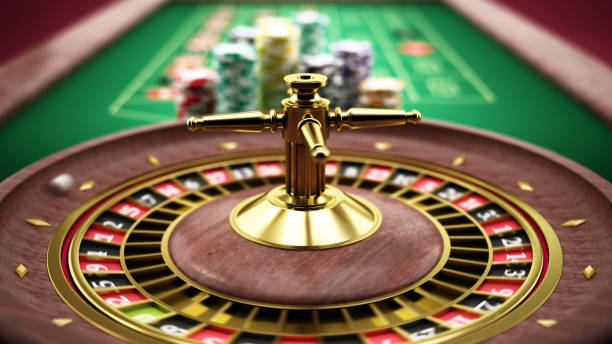
In ancient China, gambling dates back thousands of years, with historical records mentioning the use of tiles and cards for games of chance. These early forms of gambling laid the groundwork for the development of later games such as Pai Gow and Mahjong. Similarly, in ancient Rome, gambling was widespread among all social classes. The Romans introduced more structured forms of gambling, with the establishment of betting on gladiatorial contests and chariot races, showcasing the deep-rooted connection between entertainment and wagering in society.
As civilizations evolved, so too did the complexity of gambling activities. Not only did these games reflect the societal values of the time, but they also offered a glimpse into the economic conditions and cultural norms. The emergence of gambling as a social activity paved the way for its eventual regulation and establishment as a formal industry, highlighting its importance in the tapestry of human history.
Medieval and Renaissance Transformations
The medieval period marked a significant transition in the history of gambling, where laws began to be established to regulate the practice. During this time, cards began to replace dice as the primary medium of gambling, leading to the creation of various card games that are still popular today. The introduction of the playing card in Europe, likely through trading routes from the East, sparked a new era of gambling and social interaction, as individuals gathered to engage in games that required both skill and luck.
By the Renaissance, gambling had become a popular pastime among nobility and commoners alike. The invention of the printing press allowed for the widespread distribution of gambling literature, including rules for various games and strategies for success. Additionally, public gambling venues began to appear, such as gaming houses and betting shops, which provided a structured environment for gamblers to congregate. This period also saw the birth of lotteries, which were often used to fund public projects and became an accepted form of raising revenue.
The interplay of societal norms and gambling during these times reveals a fascination with luck and fortune. As cities grew and economies expanded, gambling became more sophisticated and accessible, laying the foundation for the modern gaming industry. The gambling culture that emerged during the Renaissance was not only a reflection of leisure but also an essential element of the evolving social landscape.
Gambling in the Age of Enlightenment
The Age of Enlightenment brought about a shift in attitudes towards gambling, particularly as philosophical thoughts began to challenge traditional beliefs about fate and chance. Thinkers such as Voltaire and Rousseau discussed the morality of gambling, influencing public perception and encouraging a more nuanced understanding of the activity. This era also saw the establishment of more formalized gaming establishments, such as casinos, which began to flourish in places like Venice and Monte Carlo.
During this time, the introduction of new games, including roulette and baccarat, revolutionized the gambling landscape. The emergence of the casino as a dedicated venue for gaming not only changed how people engaged in gambling but also elevated it to a legitimate entertainment form. The allure of casinos, with their luxurious settings and the promise of fortune, attracted individuals from all walks of life, marking a significant departure from the more clandestine gambling practices of earlier centuries.
The advancements in game design and the establishment of house rules during the Enlightenment period laid the groundwork for the modern gaming industry. This era emphasized the importance of game integrity and fairness, which became crucial for the legitimacy and sustainability of gambling establishments. As more sophisticated games emerged, the relationship between gamblers and gaming houses evolved, resulting in the structured environment we see today.
Gambling in the Modern Era
The modern era has witnessed an unprecedented growth in gambling, characterized by the advent of technology and the internet. The late 20th and early 21st centuries marked a technological revolution that transformed how individuals engage with gambling. Online casinos began to emerge, allowing players to access a vast array of games from the comfort of their homes. This shift not only expanded the reach of gambling but also introduced new forms of wagering, such as sports betting and live dealer games.
The rise of mobile technology further fueled this evolution, with apps and platforms enabling users to gamble on the go. This accessibility has made gambling more popular than ever, attracting younger audiences and reshaping the industry’s landscape. Furthermore, the integration of advanced security measures and responsible gaming features has addressed some of the concerns associated with online gambling, promoting safer environments for players.
Legislation has also evolved to keep pace with these changes, with many jurisdictions implementing laws to regulate online gambling. The balance between responsible gambling practices and the protection of consumer rights continues to be a significant focus. As the industry matures, innovative technologies such as blockchain and virtual reality are poised to reshape the future of gambling, making it an exciting time for both operators and players alike.
Exploring the Future of Gambling
As we look ahead, the future of gambling is likely to be shaped by ongoing technological advancements and shifting cultural attitudes. With the rise of cryptocurrencies and decentralized platforms, gambling could undergo yet another transformation, allowing for more secure and anonymous transactions. The integration of virtual and augmented reality technology promises immersive experiences that could revolutionize how games are played and enjoyed.
Moreover, the increasing focus on responsible gambling is expected to influence the design of games and platforms. Operators are likely to incorporate features that promote safe gambling practices, such as self-exclusion options and data analytics to monitor player behavior. This shift towards a more ethical approach to gambling will ensure that the industry evolves in a manner that prioritizes player welfare and sustainability.
Finally, the cultural perspectives surrounding gambling will continue to evolve. As more societies recognize gambling as a legitimate form of entertainment, its integration into mainstream culture will likely strengthen. With the potential for global connectivity and cross-cultural influences, the next chapter in the history of gambling promises to be dynamic and impactful, reflecting the rich tapestry of human experience.
The historical evolution of gambling From ancient rituals to modern gaming
Origins of Gambling in Ancient Civilizations
The origins of gambling can be traced back to ancient civilizations, where games of chance were often intertwined with rituals and religious practices. In cultures such as those of the Mesopotamians, Egyptians, and Greeks, evidence suggests that games involving dice and betting were not merely for entertainment, but also served to connect individuals with their deities. The use of dice made from various materials, including bones and ivory, indicates that gambling was an integral part of social life, with individuals often wagering possessions or offerings to the gods. Today, platforms like payid casino provide a modern twist on these age-old practices, allowing players to engage in similar games securely and instantly.
In ancient China, gambling dates back thousands of years, with historical records mentioning the use of tiles and cards for games of chance. These early forms of gambling laid the groundwork for the development of later games such as Pai Gow and Mahjong. Similarly, in ancient Rome, gambling was widespread among all social classes. The Romans introduced more structured forms of gambling, with the establishment of betting on gladiatorial contests and chariot races, showcasing the deep-rooted connection between entertainment and wagering in society.
As civilizations evolved, so too did the complexity of gambling activities. Not only did these games reflect the societal values of the time, but they also offered a glimpse into the economic conditions and cultural norms. The emergence of gambling as a social activity paved the way for its eventual regulation and establishment as a formal industry, highlighting its importance in the tapestry of human history.
Medieval and Renaissance Transformations
The medieval period marked a significant transition in the history of gambling, where laws began to be established to regulate the practice. During this time, cards began to replace dice as the primary medium of gambling, leading to the creation of various card games that are still popular today. The introduction of the playing card in Europe, likely through trading routes from the East, sparked a new era of gambling and social interaction, as individuals gathered to engage in games that required both skill and luck.
By the Renaissance, gambling had become a popular pastime among nobility and commoners alike. The invention of the printing press allowed for the widespread distribution of gambling literature, including rules for various games and strategies for success. Additionally, public gambling venues began to appear, such as gaming houses and betting shops, which provided a structured environment for gamblers to congregate. This period also saw the birth of lotteries, which were often used to fund public projects and became an accepted form of raising revenue.
The interplay of societal norms and gambling during these times reveals a fascination with luck and fortune. As cities grew and economies expanded, gambling became more sophisticated and accessible, laying the foundation for the modern gaming industry. The gambling culture that emerged during the Renaissance was not only a reflection of leisure but also an essential element of the evolving social landscape.
Gambling in the Age of Enlightenment
The Age of Enlightenment brought about a shift in attitudes towards gambling, particularly as philosophical thoughts began to challenge traditional beliefs about fate and chance. Thinkers such as Voltaire and Rousseau discussed the morality of gambling, influencing public perception and encouraging a more nuanced understanding of the activity. This era also saw the establishment of more formalized gaming establishments, such as casinos, which began to flourish in places like Venice and Monte Carlo.
During this time, the introduction of new games, including roulette and baccarat, revolutionized the gambling landscape. The emergence of the casino as a dedicated venue for gaming not only changed how people engaged in gambling but also elevated it to a legitimate entertainment form. The allure of casinos, with their luxurious settings and the promise of fortune, attracted individuals from all walks of life, marking a significant departure from the more clandestine gambling practices of earlier centuries.
The advancements in game design and the establishment of house rules during the Enlightenment period laid the groundwork for the modern gaming industry. This era emphasized the importance of game integrity and fairness, which became crucial for the legitimacy and sustainability of gambling establishments. As more sophisticated games emerged, the relationship between gamblers and gaming houses evolved, resulting in the structured environment we see today.
Gambling in the Modern Era
The modern era has witnessed an unprecedented growth in gambling, characterized by the advent of technology and the internet. The late 20th and early 21st centuries marked a technological revolution that transformed how individuals engage with gambling. Online casinos began to emerge, allowing players to access a vast array of games from the comfort of their homes. This shift not only expanded the reach of gambling but also introduced new forms of wagering, such as sports betting and live dealer games.
The rise of mobile technology further fueled this evolution, with apps and platforms enabling users to gamble on the go. This accessibility has made gambling more popular than ever, attracting younger audiences and reshaping the industry’s landscape. Furthermore, the integration of advanced security measures and responsible gaming features has addressed some of the concerns associated with online gambling, promoting safer environments for players.
Legislation has also evolved to keep pace with these changes, with many jurisdictions implementing laws to regulate online gambling. The balance between responsible gambling practices and the protection of consumer rights continues to be a significant focus. As the industry matures, innovative technologies such as blockchain and virtual reality are poised to reshape the future of gambling, making it an exciting time for both operators and players alike.
Exploring the Future of Gambling
As we look ahead, the future of gambling is likely to be shaped by ongoing technological advancements and shifting cultural attitudes. With the rise of cryptocurrencies and decentralized platforms, gambling could undergo yet another transformation, allowing for more secure and anonymous transactions. The integration of virtual and augmented reality technology promises immersive experiences that could revolutionize how games are played and enjoyed.
Moreover, the increasing focus on responsible gambling is expected to influence the design of games and platforms. Operators are likely to incorporate features that promote safe gambling practices, such as self-exclusion options and data analytics to monitor player behavior. This shift towards a more ethical approach to gambling will ensure that the industry evolves in a manner that prioritizes player welfare and sustainability.
Finally, the cultural perspectives surrounding gambling will continue to evolve. As more societies recognize gambling as a legitimate form of entertainment, its integration into mainstream culture will likely strengthen. With the potential for global connectivity and cross-cultural influences, the next chapter in the history of gambling promises to be dynamic and impactful, reflecting the rich tapestry of human experience.
Leave a Reply